

Table of Contents
Sigiriya is one of the most extraordinary places to visit in Sri Lanka. Rising dramatically above the surrounding tropical landscape, this ancient rock fortress combines fascinating history, remarkable architecture, beautiful gardens, and breathtaking panoramic views.Located in Sri Lanka’s Cultural Triangle, Sigiriya is a UNESCO World Heritage Site and one of the country’s most recognizable landmarks. It attracts travelers from around the world who want to discover the island’s ancient civilization and natural beauty.
For Italian travelers planning a holiday in Sri Lanka, Sigiriya offers an experience that is quite different from the historic cities of Rome, Florence, or Venice. Instead of exploring ancient monuments surrounded by European architecture, you can discover the remains of a royal palace built on top of an enormous rock, surrounded by tropical forests and ancient water gardens.
Whether you are visiting Sri Lanka for two weeks, planning a cultural tour, or combining historical attractions with a relaxing beach holiday, Sigiriya deserves a place on your travel itinerary.This comprehensive guide covers everything you need to know about visiting Sigiriya, including its history, entrance fees, climbing difficulty, transportation, accommodation, nearby attractions, and practical advice for Italian visitors.
You will also discover a local perspective on Sigiriya and how to make the most of your visit.
1. What Is Sigiriya?
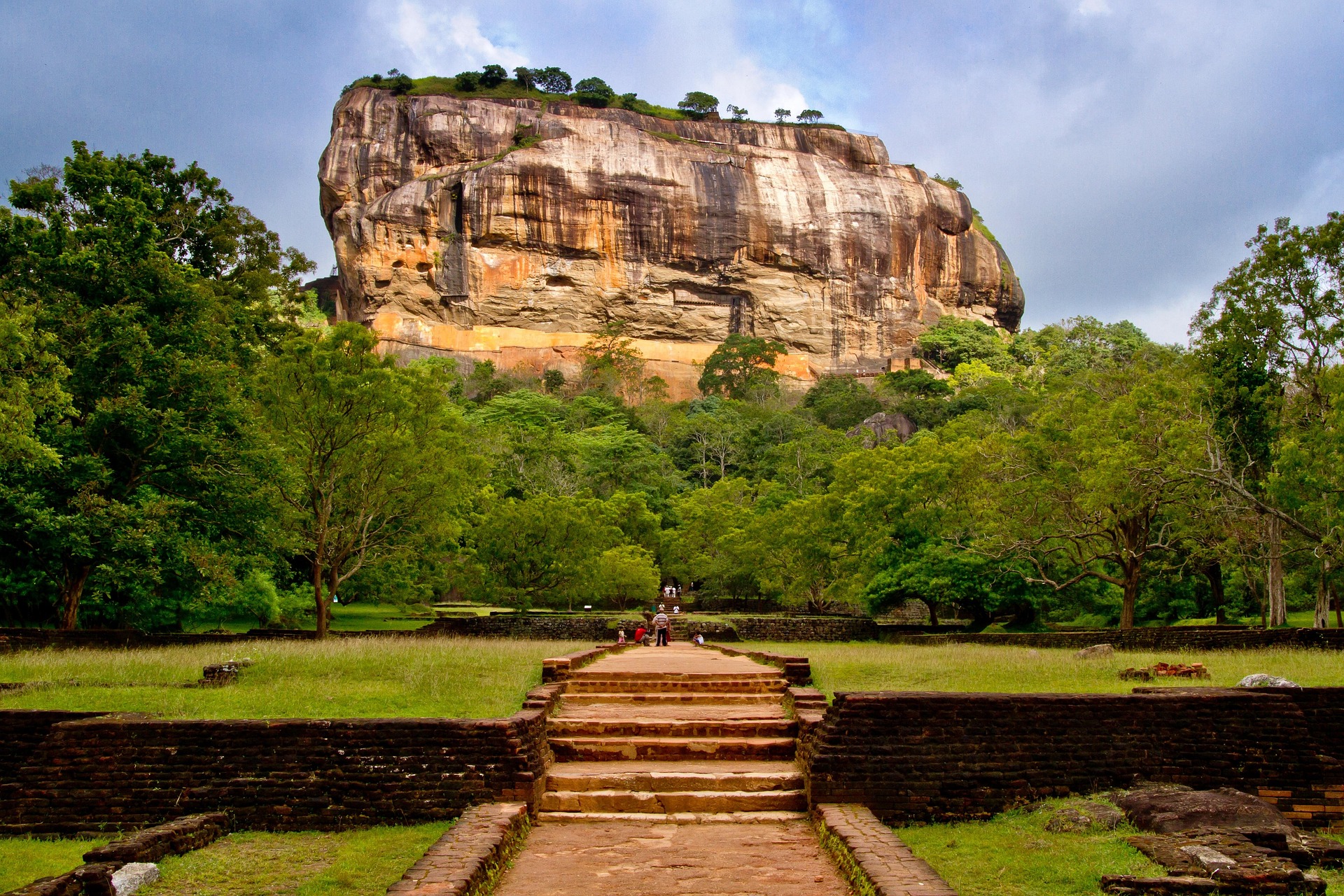
Sigiriya, also known as Lion Rock, is an ancient rock fortress located in the Central Province of Sri Lanka, approximately 20 kilometers from Dambulla.
The enormous rock rises approximately 180–200 meters above the surrounding landscape, creating one of the most recognizable natural landmarks in the country.
Sigiriya is famous for the remains of an ancient royal palace, elaborate gardens, beautiful frescoes, and sophisticated water-management systems.
The site is most closely associated with King Kashyapa I, who established his royal residence here during the fifth century CE.
Today, Sigiriya is one of Sri Lanka’s eight UNESCO World Heritage Sites and an important archaeological destination.
However, Sigiriya is much more than a historical monument.
The entire complex demonstrates the architectural knowledge, artistic achievements, and engineering abilities of ancient Sri Lankan civilization.
Visitors can explore the remains of the palace, walk through ancient gardens, admire historic paintings, and climb to the summit for spectacular views of the surrounding countryside.
For travelers interested in history, architecture, photography, and nature, Sigiriya offers several experiences within a single destination.
2. The Fascinating History of Sigiriya
Understanding the history of Sigiriya makes visiting the site much more meaningful.
Although Sigiriya is strongly associated with King Kashyapa, the area was used long before the construction of the royal palace.
Archaeological evidence indicates that Buddhist monks occupied caves around Sigiriya centuries before the fifth century.
Some of the ancient cave inscriptions date back to approximately the third and second centuries BCE.
The Story of King Kashyapa
King Kashyapa I ruled Sri Lanka from approximately 477 to 495 CE.
According to traditional historical accounts, Kashyapa seized the throne following a conflict involving his father, King Dhatusena, and his brother Moggallana.
Moggallana fled the country and later returned to challenge Kashyapa’s rule.
During his reign, Kashyapa established a royal capital at Sigiriya.
The king constructed an impressive palace complex on top of the enormous rock, surrounded by defensive walls, moats, gardens, and sophisticated water systems.
The elevated location provided defensive advantages while demonstrating the power and wealth of the royal court.
The palace was designed to be both a royal residence and an impressive architectural statement.
After Kashyapa’s defeat in 495 CE, Sigiriya’s role as a royal capital ended.
The site subsequently returned to Buddhist monastic use.
Today, the surviving structures provide valuable information about an important period in Sri Lankan history.
Why Is Sigiriya Called Lion Rock?
The name Sigiriya is associated with the Sinhala expression for Lion Rock.
In ancient times, the entrance to the upper palace was designed to resemble a gigantic lion.
Visitors approaching the royal residence would have passed through an enormous lion-shaped gateway.
Although most of the original structure has disappeared, two impressive lion paws remain visible today.
These enormous paws stand on either side of the staircase leading towards the summit.
They are among the most famous architectural features of Sigiriya and provide a fascinating glimpse into the scale of the original royal entrance.
3. Experiencing Sigiriya: A Local Perspective
Sigiriya is one of those places that demonstrates how extraordinary Sri Lanka’s history and natural beauty really are.
For someone familiar with Sri Lanka’s landscapes and cultural traditions, the rock fortress represents an important connection to the country’s ancient civilization.
For international travelers, particularly visitors arriving from Italy, Sigiriya offers an opportunity to experience a completely different historical environment.
The surrounding landscape is filled with tropical greenery, enormous rock formations, and small villages.
Unlike many European historical attractions, Sigiriya combines ancient architecture with a dramatic natural setting.
Arriving at Sigiriya
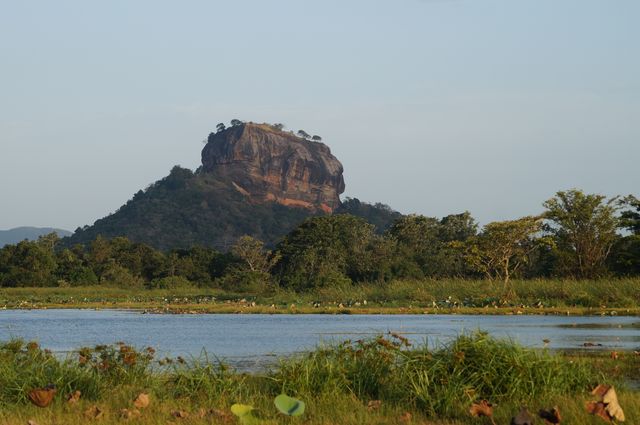
One of the most impressive things about Sigiriya is its appearance from a distance.
The enormous rock rises almost vertically above the surrounding forest, creating a landscape that is difficult to forget.
As you approach the archaeological complex, the scale of the rock becomes increasingly impressive.
The entrance leads through ancient gardens, where carefully arranged pools, pathways, and stone structures reveal the sophisticated planning of the original royal complex.
Rather than rushing directly towards the summit, it is worth spending some time exploring these gardens.
They are an important part of Sigiriya’s history and provide excellent opportunities for photography.
For Italian travelers who enjoy architecture and historical sites, the gardens are particularly interesting because they demonstrate how ancient Sri Lankan engineers combined natural landscapes with carefully designed structures.
The Climb to the Summit
Climbing Sigiriya is not simply a walk to a viewpoint.
It is a journey through different parts of an ancient royal complex.
The route includes stone staircases, narrow pathways, and metal stairs attached to the rock.
Some sections can feel physically demanding, especially when the weather is hot and humid.
One of the most useful recommendations for visitors is to begin the climb early in the morning.
Sri Lanka’s tropical climate can feel considerably hotter than many Italian travelers expect, particularly if they are visiting during the European winter.
Carry enough drinking water, wear comfortable walking shoes, and take breaks whenever necessary.
There is no need to rush.
The climb is part of the experience, and stopping occasionally gives you an opportunity to appreciate the surrounding landscape.
The Impressive Lion’s Paws
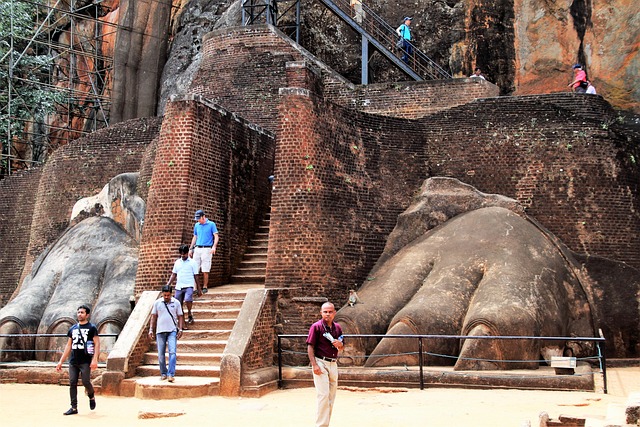
One of the most memorable features of Sigiriya is the Lion’s Paws terrace.
Two enormous paws remain from the monumental lion-shaped entrance that once led to the royal palace.
Standing in front of these ancient structures gives visitors an idea of how impressive the original gateway must have been.
It is also a wonderful place to appreciate the creativity and architectural knowledge of Sri Lanka’s ancient builders.
For visitors interested in history, this is one of the locations where Sigiriya’s past becomes especially tangible.
Reaching the Top of Sigiriya
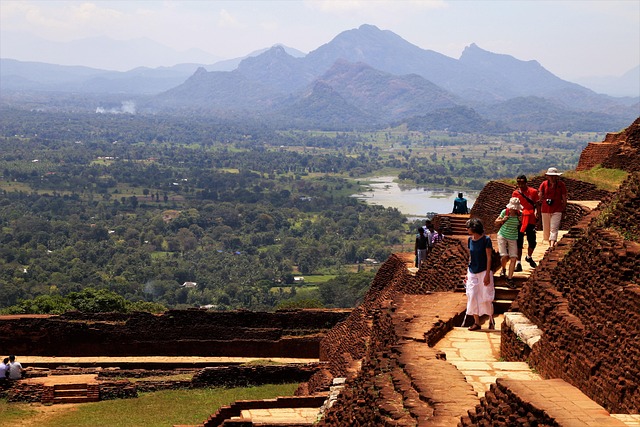
The summit offers one of the most remarkable views in Sri Lanka.
From the top, the surrounding landscape stretches across forests, villages, lakes, and distant hills.
The ancient palace foundations are still visible, allowing visitors to imagine how the royal complex might have looked during King Kashyapa’s reign.
What makes the summit particularly special is the combination of history and nature.
You are not simply standing on a large rock.
You are exploring the remains of a royal residence constructed in an extraordinary location more than fifteen centuries ago.
The view also provides a different perspective on the gardens below.
From this height, their carefully planned layout becomes much easier to appreciate.
For travelers visiting Sri Lanka from Italy, allowing enough time at the summit to explore the ruins, enjoy the scenery, and take photographs can make the experience more rewarding.
Local Advice for Italian Travelers
If you are planning to include Sigiriya in your Sri Lanka itinerary, consider staying in the surrounding area for at least one night.
This allows you to start your visit early without having to travel several hours from another city.
It also gives you time to explore nearby attractions such as Pidurangala Rock and Dambulla Cave Temple.
Another important tip is to avoid planning too many activities immediately after climbing Sigiriya.
The combination of stairs, heat, and humidity can be tiring, especially for travelers who have recently arrived in Sri Lanka.
Allow some time to relax, enjoy a traditional Sri Lankan meal, and experience the atmosphere of the surrounding villages.
Sigiriya is not a destination that needs to be rushed.
Its history, landscape, and architecture are worth experiencing at a comfortable pace.
4. What to See at Sigiriya Rock Fortress
Sigiriya contains several fascinating attractions beyond the famous rock itself.
Exploring the different sections of the archaeological complex allows visitors to appreciate the site’s historical and architectural importance.
The Ancient Water Gardens
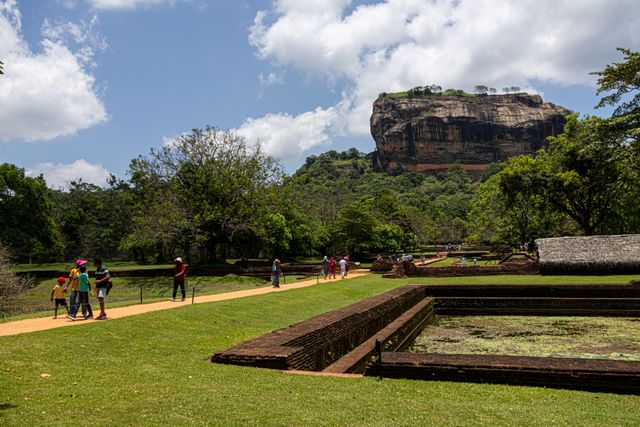
The water gardens are among the first major attractions visitors encounter when entering Sigiriya.
These carefully designed gardens contain pools, fountains, channels, and pathways arranged in a largely symmetrical layout.
Ancient Sri Lankan engineers developed an elaborate hydraulic system to transport and manage water throughout the complex.
Some of the fountains can still operate during the rainy season.
The gardens demonstrate the advanced engineering knowledge of the civilization that constructed Sigiriya.
They are also excellent places for photography, particularly during the early morning when the light is softer.
Take time to explore the gardens before beginning the climb.
The Boulder Gardens
Beyond the water gardens, the landscape changes into an area filled with enormous natural boulders.
Ancient builders incorporated these rocks into the architectural design, creating pathways, terraces, and spaces associated with religious and royal activities.
The boulder gardens demonstrate how the natural landscape was integrated into the ancient complex.
They also provide evidence of Sigiriya’s earlier religious history.
The Sigiriya Frescoes
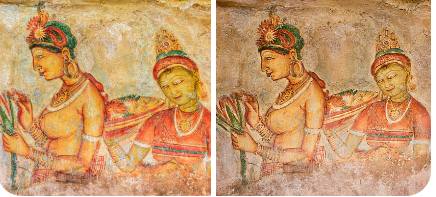
The Sigiriya frescoes are among the most famous examples of ancient Sri Lankan art.
These paintings depict elegantly adorned female figures and are associated with the fifth-century royal complex.
Their precise meaning remains debated among scholars.
Some interpretations associate the figures with celestial beings, while others suggest royal women or religious symbolism.
The surviving paintings are important examples of early Sri Lankan artistic traditions.
Visitors can view the frescoes during the ascent, subject to the site’s access arrangements.
Photography restrictions may apply in this area, so always follow the instructions displayed by the conservation authorities.
The Mirror Wall
The Mirror Wall is another extraordinary feature of Sigiriya.
Originally finished with highly polished plaster, the wall was designed to have a reflective surface.
Over the centuries, visitors left poems, observations, and inscriptions on the wall.
These writings provide valuable information about early Sinhala language, literature, and the experiences of historical visitors.
The Mirror Wall demonstrates that people were visiting and appreciating Sigiriya long before modern tourism existed.
Today, visitors must not touch, scratch, or write on the wall.
The Lion’s Paws
The Lion’s Paws terrace is one of the most recognizable locations at Sigiriya.
Two enormous lion paws stand on either side of the staircase leading towards the summit.
They are the surviving remains of the monumental lion-shaped entrance that once guarded the royal palace.
The original structure would have been much larger than what remains today.
Standing at this terrace allows visitors to appreciate the scale of the ancient construction.
It is also a popular photography location.
The Royal Palace Ruins
At the summit, visitors can explore the foundations of the ancient palace complex, water features, and open terraces.
The surrounding landscape stretches across forests, villages, and distant hills.
The summit also provides a particularly interesting perspective on the water gardens below.
From this height, their symmetrical layout becomes easier to understand.
Take time to explore the ruins and appreciate the engineering involved in constructing a royal residence on top of such an enormous rock.
Remember that Sigiriya is an important archaeological monument.
Stay on designated pathways and avoid climbing on fragile historical structures.
5. How Difficult Is the Sigiriya Climb?
One of the most common questions travelers ask is whether climbing Sigiriya is difficult.
The climb involves numerous steps, including sections of stone staircases and exposed metal stairs attached to the rock.
It is a moderately demanding activity for many visitors, particularly in hot and humid weather.
The exact difficulty depends on your fitness, the weather, and how comfortable you feel with heights.
How Long Does It Take to Climb Sigiriya?
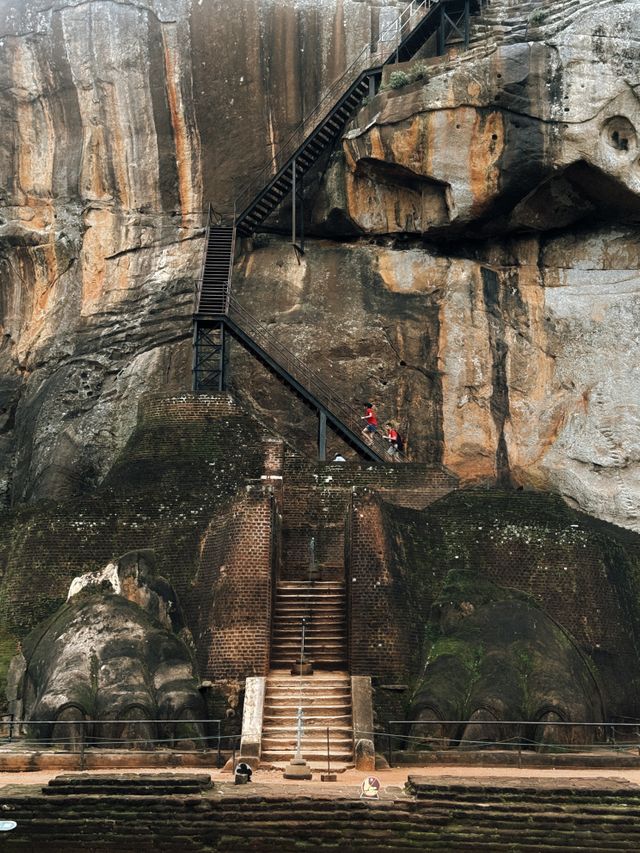
Many visitors allow approximately 45–90 minutes to reach the summit, depending on their pace, the crowds, and how frequently they stop.
A complete visit, including the gardens, frescoes, summit, and descent, can take around three to four hours.
These are planning estimates rather than guaranteed times.
If you enjoy photography or prefer walking slowly, allow additional time.
Is Sigiriya Suitable for Children and Older Travelers?
Many families and older travelers visit Sigiriya successfully, but the climb is not suitable for everyone.
There are steep stairs, uneven surfaces, and sections where visitors may feel exposed to heights.
Parents should supervise children closely, especially on the upper staircases.
Travelers with limited mobility may find the summit inaccessible, although exploring parts of the lower archaeological complex may still be possible.
If you have a medical condition that affects your ability to climb stairs or tolerate heat, seek appropriate medical advice before attempting the ascent.
You do not need to reach the summit to appreciate Sigiriya’s historical importance.
6. Best Time to Visit Sigiriya
Sri Lanka has a tropical climate, and the weather can vary considerably between regions and seasons.
For Sigiriya, the most important consideration is often the time of day.
Early Morning
Starting your visit early can help you avoid some of the strongest daytime heat.
Morning light can also be excellent for photography, especially around the gardens and the surrounding landscape.
An early start may help you avoid some of the larger tour groups, although visitor numbers vary.
Afternoon Visits
An afternoon visit is another option, particularly if you are staying nearby.
However, be careful not to begin too late.
The summit and certain sections of the archaeological site may have different access or closing times.
Always confirm the latest operating hours before planning a late-afternoon climb.
Visiting During the Rainy Season
Rain does not necessarily mean that you cannot visit Sigiriya.
However, wet steps and exposed staircases can become slippery, and thunderstorms may affect access.
Follow the instructions of site staff and avoid exposed sections during lightning or severe weather.
If your itinerary allows, keep some flexibility in your schedule.
For Italian travelers visiting Sri Lanka during the European summer, Sigiriya can still be included in an itinerary.
However, it is worth checking the regional weather forecast rather than assuming that the entire island experiences the same conditions.
7. Sigiriya Entrance Fee and Opening Hours
Sigiriya’s entrance fee is an important consideration when planning your Sri Lanka travel budget.
The ticket for international visitors is considerably more expensive than the entrance fee charged to Sri Lankan residents.
For Italian travelers, the standard foreign tourist rate generally applies.
Published 2026 visitor guides list an adult foreign visitor ticket at approximately US$35. However, ticket prices, child rates, opening hours, and payment arrangements can change.
Before visiting, check the latest information from the Central Cultural Fund or the official ticket counter.
Do not assume that an old blog post or an unofficial ticket website displays the current price.
If you are traveling with children, confirm the relevant age categories and any applicable discounts.
It is also worth checking whether your ticket includes access to the Sigiriya Museum.
For the latest visitor information, consult the Central Cultural Fund website:
8. How to Get to Sigiriya from Colombo, Kandy, and Dambulla
Sigiriya is located in Sri Lanka’s Cultural Triangle and can be reached by private vehicle, public transport, or an organized tour.
The most convenient option depends on your budget, travel schedule, and preferred level of comfort.
From Colombo to Sigiriya
Colombo is one of the most common starting points for visitors arriving in Sri Lanka.
Traveling by private car or hired driver is a convenient option, particularly if you have luggage or want to stop at other attractions along the way.
The journey generally takes approximately four to six hours, depending on traffic and your exact starting point.
If you are arriving at Bandaranaike International Airport after a long flight from Italy, consider spending your first night near the airport or traveling directly to the Cultural Triangle with a prearranged driver.
Public buses are a more economical alternative, but you may need to change vehicles in Dambulla or another transport hub.
From Kandy to Sigiriya
Kandy is another popular starting point.
The road journey generally takes approximately two to three hours, depending on traffic and stops.
Many travelers combine Kandy, Dambulla, and Sigiriya in the same itinerary.
A private vehicle allows you to stop at Dambulla Cave Temple before continuing to Sigiriya.
This can be particularly useful if you want to explore several historical attractions without repeatedly changing accommodation.
From Dambulla to Sigiriya
Dambulla is one of the most convenient bases for visiting Sigiriya.
The two destinations are relatively close, and the journey by road usually takes around 30–45 minutes.
You can arrange a tuk-tuk, private car, or other local transport.
If you choose a tuk-tuk, agree on the fare and whether waiting time is included before beginning the journey.
9. Where to Stay Near Sigiriya
Choosing the right accommodation can make your Sigiriya visit considerably more comfortable.
There are several accommodation styles in the surrounding area, ranging from simple family-run guesthouses to luxury resorts.
Stay in Sigiriya Village
Staying in Sigiriya village is convenient if your main goal is to visit the rock fortress early in the morning.
Many guesthouses and small hotels are located within a relatively short drive of the archaeological site.
The village atmosphere also provides opportunities to experience local food, meet residents, and explore the surrounding countryside.
For independent Italian travelers, a locally owned guesthouse can be an interesting option.
Stay in Dambulla
Dambulla offers another practical accommodation base.
It is particularly useful if you plan to visit Dambulla Cave Temple, Sigiriya, and other Cultural Triangle attractions.
The town has a range of accommodation and transport options.
Choose a Nature-Focused Hotel
If you prefer a more relaxing experience, consider accommodation surrounded by greenery.
Some properties near Sigiriya offer gardens, swimming pools, and views of the surrounding landscape.
These can be appealing after a long day of climbing and sightseeing.
Before booking, check recent guest reviews, the property’s exact location, transport arrangements, and whether breakfast is included.
10. Other Attractions to Visit Near Sigiriya
Sigiriya is an excellent base for exploring several important attractions in central Sri Lanka.
Rather than visiting the rock and immediately leaving, consider spending two or three nights in the area.
Pidurangala Rock
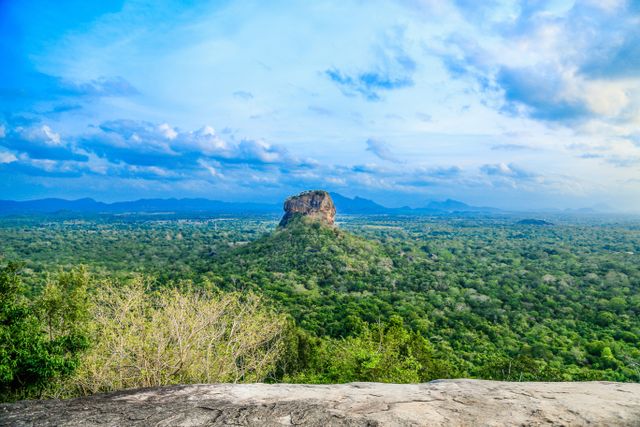
Pidurangala is a popular alternative viewpoint offering an impressive view of Sigiriya Rock.
The climb involves uneven terrain and a final section requiring some scrambling.
It is not suitable for everyone, particularly visitors with mobility limitations.
The summit provides a different perspective on Sigiriya and the surrounding landscape.
Dambulla Cave Temple
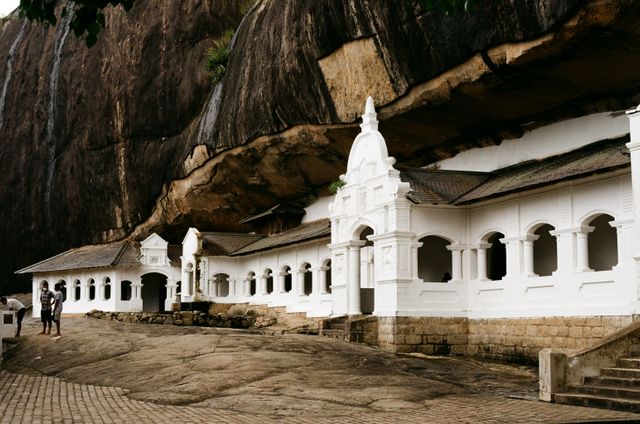
Dambulla Cave Temple is an important Buddhist religious complex featuring ancient paintings and numerous Buddha statues.
It is also a UNESCO World Heritage Site.
Visitors should dress respectfully, covering their shoulders and knees, and remove their shoes where required.
The temple can be combined with Sigiriya in a single day if you start early.
Polonnaruwa Ancient City
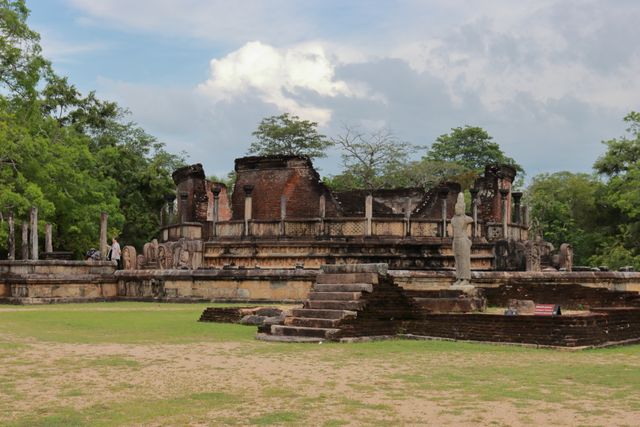
Polonnaruwa is another UNESCO World Heritage Site known for its ancient temples, royal buildings, and stone sculptures.
It is a rewarding destination for travelers interested in Sri Lanka’s medieval history.
The archaeological complex is extensive, so allow several hours to explore its main attractions.
Minneriya National Park
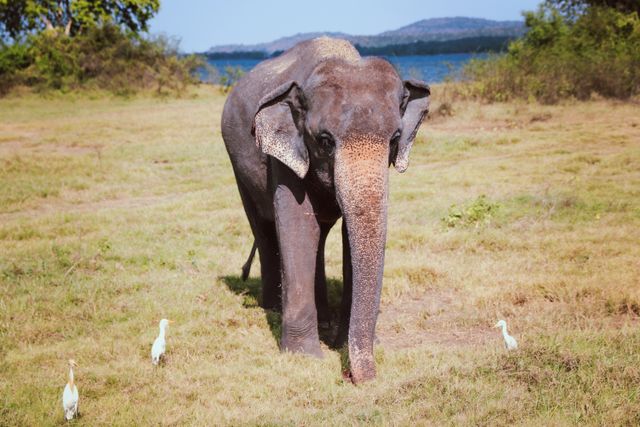
Minneriya National Park is known for its elephant population and seasonal wildlife viewing.
Elephant sightings depend on the season and natural animal movements.
Choose a responsible safari operator that maintains a safe distance from wildlife.
These destinations can be combined into a Cultural Triangle itinerary, allowing you to experience several different aspects of Sri Lankan history and nature.
11. A Suggested Two-Day Sigiriya Itinerary
If you are visiting Sri Lanka from Italy and have approximately 10–14 days for your holiday, spending two days around Sigiriya can provide a comfortable balance between sightseeing and relaxation.
Day 1: Sigiriya Rock Fortress and Local Experiences
Early morning: Visit Sigiriya Rock Fortress.
Start early, explore the gardens, climb the rock, and spend time at the summit.
Late morning: Enjoy breakfast or refreshments.
Return to your accommodation or stop at a nearby café for a meal and rest.
Afternoon: Explore the local area.
Visit a nearby village, enjoy a relaxed lunch, or spend time at your hotel.
Evening: Enjoy traditional Sri Lankan food.
Try a local restaurant serving rice and curry, roti, or other regional dishes.
Day 2: Dambulla and the Cultural Triangle
Morning: Visit Dambulla Cave Temple.
Explore the historic cave complex and its religious artwork.
Afternoon: Choose your next experience.
Continue to Polonnaruwa, arrange a responsible wildlife safari, or enjoy a slower afternoon.
Evening: Return to your accommodation.
Prepare for the next destination on your Sri Lanka itinerary.
This itinerary can be adjusted depending on the weather, your interests, and your available travel time.
If you have only one day, prioritize Sigiriya Rock Fortress and Dambulla Cave Temple rather than trying to visit every attraction in the area.
12. Essential Tips for Italian Travelers Visiting Sigiriya
Traveling from Italy to Sri Lanka involves differences in climate, transport, food, and cultural customs.
A little preparation can make your visit considerably easier.
What to Pack for Sigiriya
Bring comfortable walking shoes with good grip, lightweight clothing, sunscreen, a hat, and a reusable water bottle.
A small backpack is useful for carrying your belongings during the climb.
If rain is forecast, consider bringing a lightweight rain jacket.
Avoid carrying unnecessary heavy items.
The climb can be physically demanding, particularly during hot weather.
Respect Sri Lankan Cultural Traditions
Sri Lanka has a rich cultural heritage, and many historical attractions remain important religious sites.
Sigiriya is primarily an archaeological attraction, but nearby temples require appropriate clothing and respectful behavior.
At Buddhist temples, visitors are generally expected to cover their shoulders and knees and remove their shoes in designated areas.
Avoid posing disrespectfully with religious statues or touching fragile historical objects.
Food and Drinking Water
Sri Lankan cuisine is one of the pleasures of traveling around the island.
Near Sigiriya, you can try traditional rice and curry, coconut sambol, roti, and other local dishes.
If you are unfamiliar with spicy food, ask the restaurant to prepare your meal with less chili.
Choose drinking water from a reliable source and carry enough during your sightseeing activities.
Money and Payments
Sri Lanka uses the Sri Lankan rupee (LKR).
Although some hotels and larger businesses accept international cards, cash remains useful for tuk-tuks, small restaurants, and local purchases.
Exchange rates can change, so check the current rate before your trip.
If you are traveling from Italy, avoid assuming that every business will accept euros.
Visa Information for Italian Passport Holders
Italian travelers should check Sri Lanka’s current visa and Electronic Travel Authorization requirements before departure.
Entry requirements, fees, permitted lengths of stay, and eligibility for exemptions can change.
The official Sri Lanka ETA website is:
You should also check the Italian Ministry of Foreign Affairs’ travel information before your trip:
These official resources can help you confirm the latest entry requirements and travel advice.
13. Responsible Tourism: How to Protect Sigiriya
Sigiriya is not only a tourist attraction.
It is an important part of Sri Lanka’s cultural heritage.
The ancient paintings, inscriptions, gardens, and architectural remains are irreplaceable.
Every visitor has a responsibility to help protect them.
Stay on marked pathways, follow photography restrictions, and avoid touching historic walls or paintings.
Do not leave rubbish inside the archaeological complex.
If you purchase food or souvenirs in the surrounding villages, consider supporting locally owned businesses.
When arranging transport, agree on prices clearly and treat drivers and service providers respectfully.
Responsible tourism also includes respecting wildlife.
Do not feed monkeys or other animals, and avoid leaving food where animals can access it.
Small actions can help preserve Sigiriya for future generations.
14. Frequently Asked Questions About Sigiriya
Is Sigiriya worth visiting?
Sigiriya offers ancient palace ruins, historical paintings, gardens, and panoramic views.
It is particularly interesting for travelers who enjoy Sri Lankan history, archaeology, architecture, and nature.
How many hours do you need at Sigiriya?
Allow approximately three to four hours for the gardens, climb, summit, and descent.
You may need longer if you prefer a slower pace or want to spend additional time taking photographs.
Can you visit Sigiriya without climbing?
Yes.
You can explore parts of the lower archaeological complex and enjoy views of the rock without attempting the summit.
Accessibility varies by area, so visitors with mobility limitations should check current arrangements before traveling.
Is Sigiriya suitable for people afraid of heights?
Some upper sections have exposed staircases.
If you are uncomfortable with heights, you may prefer to explore the lower complex instead.
What is the difference between Sigiriya and Pidurangala?
Sigiriya is an archaeological complex containing ancient palace ruins, gardens, and artwork.
Pidurangala is a nearby rock known for its view of Sigiriya and its more rugged climb.
The two destinations offer different experiences.
Can I visit Sigiriya and Dambulla in one day?
Yes.
The two sites are close enough to combine in a day.
Start early and allow enough time for both attractions.
Do I need a guide at Sigiriya?
A guide is not essential, but a knowledgeable licensed guide can provide historical explanations and help you understand the archaeological features.
If you enjoy learning about history, a guided visit may add value to your experience.
Can I fly directly from Italy to Sigiriya?
Sigiriya is not the main international arrival point for Italian travelers.
Most international visitors enter Sri Lanka through Bandaranaike International Airport and continue overland.
Check current flight connections before booking your trip.
What should I wear to climb Sigiriya?
Wear comfortable walking shoes and lightweight clothing suitable for hot weather.
Bring sun protection and drinking water.
Can I use euros to pay for my Sigiriya ticket?
Do not rely on euros being accepted.
Check the official ticket counter’s current payment options and carry a suitable payment method.
15. Final Thoughts: Discovering Sigiriya During Your Sri Lanka Holiday
Sigiriya is one of those destinations where history, architecture, and natural beauty come together in a remarkable setting.
From the carefully designed water gardens to the ancient frescoes and the ruins of the royal palace, every part of the site offers a different perspective on Sri Lanka’s past.
For Italian travelers planning a holiday in Sri Lanka, Sigiriya can be combined with Dambulla, Polonnaruwa, Kandy, and other destinations to create a varied cultural itinerary.
Allow enough time to appreciate the site rather than treating it as a quick photo stop.
Explore the gardens, learn about the history, take breaks during the climb, and enjoy the surrounding landscape.
Whether you reach the summit or prefer to explore the lower archaeological complex, Sigiriya offers an opportunity to discover an important part of Sri Lanka’s heritage.
If you have the opportunity, spend an additional day exploring the surrounding villages and nearby attractions.
There is much more to this region than the famous rock itself.
For travelers arriving from Italy, Sigiriya can become one of the most memorable experiences of a Sri Lankan holiday, offering a combination of history, culture, adventure, and tropical scenery that is difficult to find elsewhere.